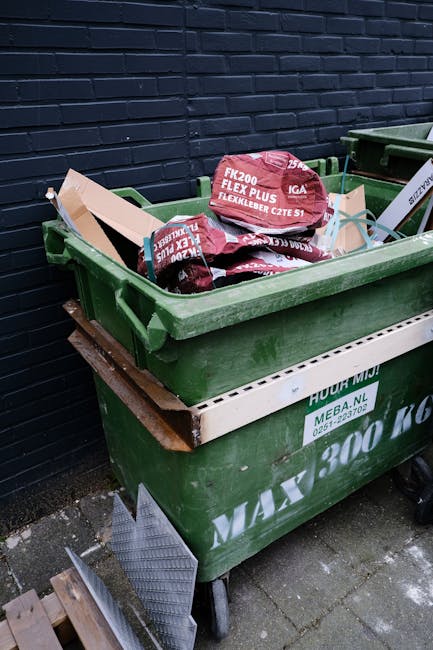
Responsible disposal laws Maida Vale bulky waste removals: what you need to know before clearing bulky items
If you are dealing with a sofa, mattress, wardrobe, office desk, or a pile of awkward old bits that simply will not fit in a black bag, the rules around responsible disposal can feel oddly complicated. With Responsible disposal laws Maida Vale bulky waste removals, the big question is not just "how do I get rid of this?" but "how do I do it properly, safely, and without creating trouble for myself or anyone else?"
That matters more than people think. Bulky waste often crosses into areas like duty of care, recycling expectations, landlord rules, access limitations, and where a licensed removal team can and cannot take things. In Maida Vale, where flats, mansion blocks, narrow streets, and timed access are common, a careless disposal decision can lead to extra fees, blocked hallways, or worse, fly-tipping problems that are not worth the headache. This guide breaks down the practical side in plain English, so you can make a sensible decision without feeling buried in jargon.
Why Responsible disposal laws Maida Vale bulky waste removals Matters
Responsible disposal is not just a nice idea. It is the difference between a clean handover and a messy problem that follows you around for weeks. When bulky items are removed badly, they can end up dumped on pavements, left in communal hallways, or passed to someone who has no real disposal route. That can create nuisance, safety risks, and in some cases legal exposure for the person who arranged the waste transfer.
In practical terms, Maida Vale properties often involve shared entrances, stairs, parking restrictions, and neighbours who do not love a corridor full of broken furniture at 8 a.m. You will notice that the smoother removals are the ones planned with a bit of care: the right vehicle, the right lifting approach, and a clear idea of where each item is going. Simple, really. But simple only after the planning.
There is also the environmental side. Bulky waste can often be reused, repaired, dismantled for parts, or routed through recycling where appropriate. That is why many people now look for a service with a strong recycling and sustainability approach rather than a quick-fix haul-away. It is not about being perfect. It is about making a better choice than dumping everything into the nearest skip-sized void and hoping for the best.
Expert summary: If you remember only one thing, make it this: responsible bulky waste disposal is about proof, planning, and proper routing - not just speed. A tidy removal today can prevent a very untidy problem tomorrow.
How Responsible disposal laws Maida Vale bulky waste removals Works
At a sensible level, the process usually begins with identifying the items, understanding whether they are reusable, recyclable, or genuinely waste, and then choosing the right removal method. That might be a one-off collection, a larger full-property clearance, or a scheduled removal tied to a move. A good operator will ask what the items are, how accessible they are, and whether any of them need special handling.
For example, a solid pine wardrobe may be dismantled and recycled where possible, while an upholstered sofa may require different handling depending on condition and material. A fridge, mattress, or office chair can each involve different disposal routes. No magic there, just careful sorting. If the team is experienced, they will usually explain what can be removed together and what needs separate treatment.
In day-to-day terms, bulky waste removals in Maida Vale often follow a pattern like this:
- List the items and take a quick photo if needed.
- Check access: stairs, lift, parking, door widths, and timing restrictions.
- Confirm whether the job is domestic, landlord-led, or commercial.
- Book the right crew and vehicle for the volume and weight.
- Remove items carefully, avoiding damage to walls, floors, and communal areas.
- Sort for reuse, recycling, or lawful disposal.
- Keep records or a receipt for peace of mind.
If the removal is part of a larger move, you may also want to combine it with house removals, flat removals, or even home moves. That can save a lot of back and forth, especially when you are staring at three chairs, two boxes of cables, and a lamp that looks like it has survived several administrations.
Key Benefits and Practical Advantages
Responsible bulky waste disposal offers more than compliance. It makes the whole job easier to manage. You get a cleaner property, less clutter, less risk, and usually less stress. And let's face it, when you are already dealing with a move or a declutter, stress is the thing you can least afford.
Here are the main advantages people usually care about:
- Reduced legal and reputational risk: you are less likely to end up connected with improper dumping or careless handling.
- Better property condition: careful removal helps protect hallways, lifts, door frames, and flooring.
- More efficient clearances: an organised team can finish sooner and with fewer surprises.
- Improved recycling outcomes: usable materials and salvageable items are less likely to be wasted.
- Less emotional friction: if a home, office, or rental property feels calmer, decisions are easier to make.
There is also a financial angle, though it should be treated carefully. Sorting items properly can reduce unnecessary labour and avoid paying for extra disposal work you do not need. For straightforward quotes and realistic planning, it is worth checking pricing and quotes early rather than guessing and hoping the invoice will be kind. Usually it will not.
For businesses, the benefits are even more noticeable. Offices clearing desks, monitors, filing units, and mixed equipment often need an orderly process, and a team used to office removals or broader commercial moves can help keep operations from descending into cardboard chaos.
Who This Is For and When It Makes Sense
This topic matters to a wide mix of people. It is not just for landlords or businesses. In fact, many of the most common bulky waste jobs come from ordinary life: a rental clean-out, a post-renovation tidy-up, or clearing a relative's property after a long-overdue sort through the place.
It makes sense if you are:
- moving out of a flat and need old furniture gone before handover;
- clearing a house after downsizing or redecorating;
- replacing office furniture or equipment;
- dealing with items too large for normal bin collections;
- managing a student move with awkward extras like broken shelving or a mattress;
- trying to clear storage overflow that has quietly become a second home for random stuff.
It is also useful when access is difficult. Maida Vale has plenty of buildings where moving a bulky item downstairs is more about angles and patience than brute force. That is where a service such as man with van, man and van, or a larger removal van can be a practical fit, depending on what needs taking away. If you have a lot to move, a moving truck may be the better call.
Truth be told, if the items are heavy, awkward, or sentimental, it is often worth getting help earlier rather than later. One half-collapsed wardrobe in a hallway can turn a tidy plan into a slow shuffle very quickly.
Step-by-Step Guidance
If you want to handle bulky waste responsibly, follow a simple sequence. You do not need to overcomplicate it. But you do need to be organised, even just a bit.
- Identify every item clearly. Separate furniture, white goods, electricals, metal, mixed materials, and anything with damage or contamination.
- Decide what can be reused. Some items may still be suitable for a second life, especially if they are intact and safe.
- Check building access. Measure stairways, lifts, entrances, and parking access. In a Maida Vale block, that small measurement can save a lot of grief.
- Choose the right service level. A single bulky item is different from a full clear-out. A same-day response may help if you are working to a deadline.
- Confirm disposal routing. Ask how items will be sorted, reused, recycled, or disposed of. Responsible operators will not mind the question.
- Keep paperwork or confirmation. Receipt, job summary, or booking confirmation can be useful if you are a tenant, landlord, or business.
- Inspect the space after removal. Check for missed items, floor scuffs, or damage before the team leaves.
If you are coordinating with a move, it can help to bundle things logically. Packing fragile items first, then clearing furniture, then removing the last bulky pieces keeps things calmer. You may find the packing and boxes service helpful if your clear-out sits alongside a move-out or renovation turnaround.
A small but useful habit: make a "keep, remove, maybe" pile. It sounds obvious. It also saves arguments with yourself at 10 p.m. when everything looks either essential or rubbish, depending on the lighting.
Expert Tips for Better Results
In our experience, the best bulky waste removals are the ones where nobody is improvising on the day. That does not mean every job is perfectly predictable. It just means the basics were done well.
- Photograph the load before booking. A few images make quotes and planning much more accurate.
- Separate sharp or breakable items early. Broken glass, splintered wood, and bent metal need more care than they first appear to.
- Label what stays and what goes. Especially useful in shared homes or offices where items can easily get mixed up.
- Keep access clear. A tidy route makes the whole job faster and safer.
- Ask about insurance and handling. You are paying for professional care, not just muscle.
If you want a quieter, more predictable experience, check whether the company has clear information on insurance and safety and a strong health and safety policy. Those pages may sound dry, but they tell you a lot about how a business thinks. The sensible ones usually do the small things well.
One more thing. If the job involves stairs, narrow entrances, or a lot of heavy lifting, do not assume "we'll manage" is a plan. It is not. It is wishful thinking wearing work gloves.
Common Mistakes to Avoid
Most problems with bulky waste removals come from rushed decisions, not from the items themselves. The mistakes are usually predictable, which is annoying, but helpful if you want to avoid them.
- Leaving everything to the last minute. Deadlines lead to rushed sorting, and rushed sorting leads to mistakes.
- Assuming all bulky items are treated the same. They are not. Materials and condition matter.
- Not checking access. A parking issue or blocked lift can slow everything down.
- Mixing unwanted items with things you still need. This happens more often than people admit.
- Choosing a provider only on speed. Fast is useful. Responsible is better.
- Skipping proper disposal records. Especially risky for landlords and businesses.
Another common slip is forgetting the wider move. If your bulky waste sits alongside a relocation, it may be smarter to coordinate with removals or even same-day removals when timing is tight. That can keep the job from spreading over three half-finished days, which nobody enjoys.
A little discipline goes a long way here. Not glamorous, maybe. Effective, absolutely.
Tools, Resources and Recommendations
You do not need a warehouse of equipment to prepare for bulky waste removal, but a few practical tools help a lot. A tape measure, marker labels, gloves, a phone camera, and some basic packing materials can make planning much easier. If items need to be boxed or wrapped first, services such as packing and unpacking services can reduce hassle and protect both the items and the property.
Useful preparation tools include:
- measuring tape for door widths and stair turns;
- sticky notes or labels for "remove" and "keep" decisions;
- gloves for handling rough surfaces or dusty items;
- bags or boxes for smaller loose parts, screws, and shelf fittings;
- mobile photos of access points, lifts, and parking restrictions.
From a service perspective, it is worth looking for a provider that explains process clearly, handles awkward jobs without drama, and offers transparent payment information through a page like payment and security. If you are comparing options, that kind of clarity is often more useful than a flashy promise.
For storage-related decisions, sometimes the answer is not immediate disposal but a pause. A temporary storage solution can buy time if you are not ready to part with everything just yet. That is especially helpful during house moves, refurbishment, or a staged downsizing plan.
Law, Compliance, Standards and Best Practice
This is the section people often skip, then regret later. The main point is straightforward: if you are arranging waste removal, you should be careful about who takes the items, where they go, and whether they are handled responsibly. In the UK, the general expectation is that waste is transferred and managed lawfully, with appropriate care and traceability. You do not need to become a legal expert, but you do need to avoid casual handovers to anyone who cannot explain their process.
For homeowners, that usually means choosing a reputable removals provider and keeping proof of the job. For landlords and businesses, the responsibility can be more layered because of tenancy handovers, office clear-outs, or duty-of-care expectations. Best practice is to keep a record of what was removed, when, and by whom. That sounds tedious. It is. It is also useful if questions arise later.
Responsible disposal best practice usually includes:
- sorting reusable items from true waste;
- protecting communal areas during movement;
- using vehicles sized appropriately for the load;
- confirming that items are taken to a lawful destination;
- sticking to safe manual handling standards;
- being honest about restricted items or special handling needs.
It is also sensible to read the company's terms and conditions and privacy documents before booking, especially if you are arranging work on behalf of a tenant, staff member, or client. Good policy pages tend to reflect a business that takes process seriously, not just marketing.
If you are concerned about ethical handling across the supply chain, pages like the company's modern slavery statement and about us can help you understand the organisation's broader standards. It is not about ticking boxes. It is about trust, plain and simple.
Options, Methods, or Comparison Table
Different bulky waste situations call for different approaches. A quick comparison helps to show where each option fits best.
| Option | Best for | Strengths | Limitations |
|---|---|---|---|
| DIY disposal | Very small loads and easy access | Can feel cheaper upfront; full control | Time-consuming, physically demanding, risk of disposal mistakes |
| Man and van support | Single items or modest bulky loads | Flexible, quick, often practical in tight streets | Not ideal for large, heavy, or mixed-property clearances |
| Full removals service | House clear-outs, moves, or multiple rooms | Better for larger jobs, planning, and careful handling | Usually more than a one-item collection |
| Storage first, disposal later | Uncertain decisions or staged moves | Gives breathing room; avoids rushed disposal | Extra step and extra cost |
In many Maida Vale cases, the sweet spot is a modest vehicle with experienced handling, especially where access is awkward but the load is not huge. A man with a van service can be ideal for that middle ground, while more involved clearances may sit better with broader removal services. The right choice depends on the load, not the label.
Case Study or Real-World Example
Imagine a first-floor flat in Maida Vale with a deadline before the tenancy ends on Friday. The resident has a sofa, a broken chest of drawers, two bookshelves, and a mattress that has done its time. There is a narrow staircase, limited parking, and a neighbour who would prefer the corridor not become a storage unit. Fair enough.
The smart approach would be to identify which items can be dismantled, measure access beforehand, and book a team with the right vehicle and lifting plan. The sofa may need careful turning on the stairwell. The bookshelves can be broken down. The mattress is straightforward, but awkward to carry alone. If the removal is handled properly, the flat is cleared in one tidy visit and the final inspection is much less stressful.
Now compare that with a rushed same-day scramble. The resident starts moving things to the hallway, discovers the lift is out, and realises the van is too small. People are irritated. Time disappears. The afternoon becomes a lot longer than it needed to be. That is why planning matters, even for a job that looks simple on paper.
For property managers, the same logic applies. A documented, responsible clearance is easier to explain, easier to schedule, and easier to defend if questions come up later. Nothing dramatic. Just good sense, really.
Practical Checklist
Use this checklist before booking or starting a bulky waste removal in Maida Vale:
- Have I listed every item that needs removing?
- Do I know which items might be reusable or recyclable?
- Have I measured doors, stairs, lifts, and any tight turns?
- Is parking or access likely to cause a problem?
- Have I separated what stays from what goes?
- Do I need a single-item pickup or a larger removal service?
- Have I checked the provider's safety and insurance information?
- Do I understand the payment terms before the job starts?
- Am I keeping proof of removal for my records?
- Have I allowed enough time to avoid last-minute panic?
If you can tick most of those boxes, you are already in good shape. The job tends to go more smoothly than people expect. A lot more smoothly.
Get a free quote today and see how much you can save.
Conclusion
Responsible disposal laws Maida Vale bulky waste removals is really about doing the right thing in a practical way. Not overthinking every detail, but not cutting corners either. When bulky items are handled carefully, you protect your property, reduce hassle, and avoid the kind of disposal mistake that becomes a nuisance later.
Whether you are clearing a flat, managing a house move, or sorting an office that has accumulated one too many tired chairs, the best results usually come from a clear plan and a team that knows how to handle the load properly. That is the quiet win here: fewer surprises, less mess, and a process you can actually feel good about.
And if you are standing in a room full of old furniture right now, wondering where to start, start small. One item, one decision, one sensible step. That is enough for today.
Frequently Asked Questions
What does responsible disposal mean for bulky waste in Maida Vale?
It means bulky items are removed, sorted, and routed in a way that follows proper waste-handling expectations, with attention to reuse, recycling, safety, and lawful disposal. In practice, it is about choosing a provider and process that do not cut corners.
Do I need special permission to remove bulky waste from a flat?
Usually you do not need special legal permission, but you may need to follow lease, building, or landlord rules. Access, booking times, and communal area protection are often the real issues, not the removal itself.
Can bulky waste be recycled instead of thrown away?
Often, yes, depending on the item and condition. Wood, metal, some furniture components, and certain reusable items may be diverted from disposal where appropriate. The key is proper sorting before the load leaves the property.
What bulky items are hardest to remove responsibly?
Large sofas, mattresses, wardrobes, heavy desks, and mixed-material items can be awkward because they are bulky, heavy, and not always easy to recycle in one piece. Stairs and narrow hallways make the job even trickier.
How do I know if a removal company is handling waste properly?
Look for clear information about disposal practices, insurance, safety, and terms. A responsible company should be able to explain how items are handled and should not be evasive when you ask sensible questions.
Is same-day bulky waste removal a good idea?
It can be, if the load is straightforward and the provider has the right capacity. But if access is difficult, or there are many items, a little advance planning usually gives a better result.
What should I do before the removal team arrives?
Separate what is going, clear access routes, label items if needed, and check whether anything requires dismantling. If you are unsure about a piece of furniture, take a photo and ask in advance.
Are landlords responsible for bulky waste left behind by tenants?
That depends on the situation, tenancy terms, and who arranged the removal, but landlords often need to deal with leftover items carefully during void periods or end-of-tenancy work. Keeping records is wise either way.
Can I include mixed items in one bulky waste collection?
Often yes, but mixed loads may need sorting on site or later by the removals team. The more mixed the load, the more important it is to describe the items accurately when booking.
What is the main mistake people make with bulky waste disposal?
The biggest mistake is rushing. People underestimate access issues, item weight, or disposal complexity, then end up with delays and extra stress. A short planning step saves a lot of trouble.
How does bulky waste removal fit into a house move?
It fits best when planned alongside packing, moving, and final clear-out tasks. If you are already arranging house removals or home moves, adding bulky waste to the same plan can make the handover much smoother.
What if I am not ready to throw everything away yet?
That is common. In those cases, storage can be a good middle step. It gives you time to decide what to keep without turning your home into a permanent holding zone for undecided furniture.